



Articles
Legal updates, insights and expert opinion on what matters to you.
Encephalitis is a very serious condition that can lead to brain damage if left untreated. If delays in diagnosing or treating encephalitis have caused avoidable harm, you may need compensation to cover rehabilitation, care, and practical support. Our Medical Negligence team will listen to what happened, explain your options in plain English and keep you informed throughout your claim.
Depending on your circumstances, compensation may also help cover financial losses, such as lost earnings or pension benefits, as well as the cost of adapting your home, specialist equipment and additional support with everyday activities for you or your child.
Our team understand that taking legal action can seem daunting, particularly if you are struggling with medical problems, but our friendly and supportive solicitors are here to make the claims process as straightforward as possible.
Get in touch for a free claims assessment, and we can also discuss whether we might be able to take your case forward on a No Win, No Fee agreement.
Fill in the form below to get in touch with one of our dedicated team members, or call our team today on: 0800 260 5010
From understanding your rights to what happens during a claim, our Medical Negligence content hub brings together expert insight, practical guides and real client outcomes.

Our Medical Negligence solicitors have experience handling complex claims involving serious injuries and long-term health complications. We understand that the effects of encephalitis can vary significantly from person to person, which is why we take an individual approach to assessing each claim.
Where the evidence supports a claim, we will consider how the negligence has affected your health, independence, work and everyday life. We can ask independent medical experts to assess the treatment you received, your prognosis and the support you may need. By taking the time to assess your situation carefully, we put you in the best position to seek the highest compensation possible.
We're helping people just like you all over the UK! Get in touch with our dedicated team today!
Encephalitis is a condition in which the brain becomes inflamed. This can be a very serious condition as it can lead to brain damage, even with treatment.
Anyone can develop encephalitis, but young children and older adults are the most vulnerable.
There are two types of encephalitis: infectious encephalitis and autoimmune encephalitis. These both have different causes.
Encephalitis can sometimes begin with flu-like symptoms, such as a high temperature or headaches.
The following symptoms can also occur either quickly or over the course of several hours, days or weeks:
Encephalitis symptoms can occur in both infectious encephalitis and autoimmune encephalitis. However, autoimmune encephalitis tends to have a longer onset period.
If you or someone you know is showing any of the more serious symptoms, it could be encephalitis. In this case, you should seek immediate medical attention, as the sooner it’s diagnosed and treated, the better the chance of reducing long-term complications.
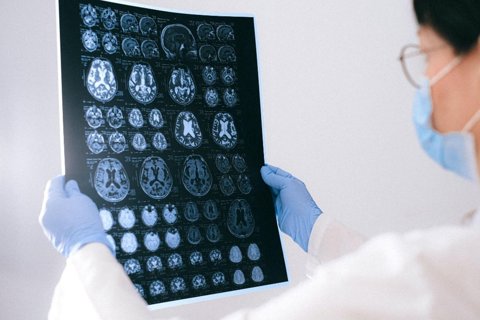
Encephalitis can be difficult to diagnose because the symptoms often resemble other diseases, so doctors will use various methods to diagnose your condition, including CT and MRI scans, lumbar punctures, and EEGs.
Treatment for encephalitis is carried out in hospital and depends on the cause. Some people make a full recovery, but others may experience permanent effects.
Yes. Medical Negligence claims must be made within three years of when the negligence happened, or three years from when you became aware of a problem related to your treatment.
If your child has suffered from encephalitis because of medical negligence, you have until their 18th birthday to make a claim on their behalf. Once they turn 18, they have until their 21st birthday to make the claim themselves.
Different time limits may apply in certain circumstances, including where someone lacks the mental capacity to manage their own claim. It's therefore important to seek legal advice as soon as possible to avoid missing any relevant deadlines.
Encephalitis can count as a disability if it causes physical or mental impairment with a substantial and long-term adverse effect on normal day-to-day activities. Long-term generally means at least 12 months. Lasting problems with memory, concentration, speech, movement, behaviour or epilepsy may meet this definition.
Your encephalitis compensation will depend on the avoidable harm caused by medical negligence and how it affects your life. A claim may include damages for pain and suffering, lost earnings, care, rehabilitation, treatment, equipment, travel and home adaptations. We will use medical and financial evidence to calculate your current losses and future losses, as well as the support you are likely to need in future.
Compensation for encephalitis claims typically ranges from £75,000 to over £250,000 for moderate brain injuries, and into the millions for severe cases involving permanent disability and lifetime care needs.
The seriousness of meningitis or encephalitis depends on the cause, the speed of treatment and the complications. Encephalitis affects the brain and may cause seizures, confusion or lasting brain injury. Meningitis affects the membranes around the brain and spinal cord. Viral meningitis often resolves, while bacterial meningitis can cause sepsis, permanent damage or death. Suspected cases need urgent medical assessment.


 We're rated‘Excellent’

Meet Kate McCue, Partner and Head of Technical in our Medical Negligence team, in the latest edition of The people behind your case. Kate shares what inspired her career in Medical Negligence, her experience handling complex claims involving birth injuries and brain injuries, and the importance of building strong relationships with clients. She also discusses the challenges of serious injury claims, why securing answers can matter as much as compensation, and what she finds most rewarding about supporting clients and colleagues.

Breast cancer remains the most common cancer in the UK, with over 56,000 new diagnoses each year. Early detection greatly improves outcomes, yet delayed or missed diagnoses still occur due to screening backlogs, misread results, or overlooked symptoms. This Breast Cancer Awareness Month, Simpson Millar highlights why attending screenings, knowing the signs, and seeking prompt advice are vital. If your diagnosis was delayed, our Medical Negligence Solicitors can help you understand your options and whether you may be entitled to compensation.

If your baby suffered an injury during pregnancy, labour, delivery, or shortly after birth, you may be able to make a medical negligence claim if avoidable mistakes caused harm. This guide explains when birth injuries may amount to negligence, the types of care failures that can lead to a claim, how compensation can support your child's future needs, and why seeking legal advice early can help preserve important evidence.
Fill in the form below to get in touch with one of our dedicated team members, or call our team today on: 0800 260 5010