



Articles
Legal updates, insights and expert opinion on what matters to you.
If your child has developed Erb’s palsy because of a doctor or midwife's mistake, the Medical Negligence solicitors at Simpson Millar might be able to help you make a compensation claim.
Our team of highly experienced, compassionate solicitors understands that your priority will be the well-being of your new baby. We will, therefore, focus on providing the legal advice and representation you need to make a successful claim. This can help fund rehabilitation, treatment, and ongoing care. We'll remove as much of the pressure of the legal claims process as we can so you can focus on your family.
You can rely on our Medical Negligence solicitors to support and advise you throughout the Erb’s palsy claims process and any other legal issues you may face during your child's lifetime. These may include creating a Personal Injury Trust and working with our Court of Protection and Education Law solicitors, and external Case Management professionals where appropriate.
If you think you have an Erb’s palsy compensation claim, contact us for a no-obligation free claims assessment. We may also be able to take your claim on a No Win, No Fee basis
Fill in the form below to get in touch with one of our dedicated team members, or call our team today on: 0800 260 5010
From understanding your rights to what happens during a claim, our Medical Negligence content hub brings together expert insight, practical guides and real client outcomes.

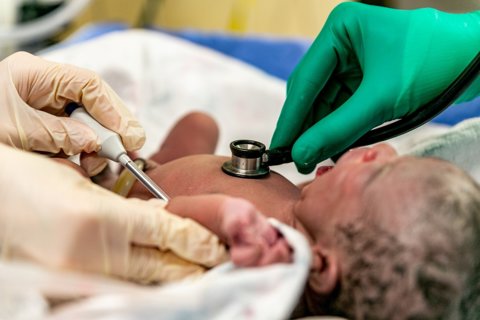
We understand the impact having a child with Erb’s palsy can have on your life and are devoted to helping children get the compensation they need to make life easier and reach their full potential.
If you have strong grounds for making a negligence claim, our Birth Injury compensation solicitors will carefully consider the prognosis and future needs of your baby when calculating the amount of compensation to ask for. In most cases, we will need to instruct an expert witness to provide an opinion. Our experience and reputation mean we have developed relationships with some of the best paediatric expert witnesses in the country, as well as connections with agencies who can provide extra support if and when you and your child need it.
We're helping people just like you all over the UK! Get in touch with our dedicated team today!
Erb’s palsy is a form of brachial plexus palsy. The brachial plexus is a group of five nerves that connect the spinal cord to the shoulder, arm and hand, Helping control movement and sensation. Damage to these nerves can result in brachial plexus palsy. Erb’s palsy occurs when the upper nerves of the brachial plexus are damaged, affecting movement and strength in the shoulder and arm.
Erb’s palsy can occur during childbirth, particularly where complications such as shoulder dystocia arise. Several factors can increase the risk, including:
During an obstructed labour, the upper nerves of the infant’s plexus can be stretched or torn. This can happen when excessive force is applied to the baby's head and neck, including when attempting to release a shoulder that has become stuck during birth. Injuries can also occur during breech deliveries.
Most Erb’s palsy claims are the result of either:
You may be able to claim nerve damage compensation for Erb’s palsy if you can prove that healthcare professionals didn't follow the correct procedures during the delivery and this led to your baby being injured.
Because Erb’s palsy normally occurs during labour, symptoms may be noticed immediately. Common signs include:
Erb’s palsy is grouped into four categories:
Erb’s palsy happens at birth and therefore, the claimant is typically a child. They have three years from their 18th birthday to make a claim (until their 21st birthday). Alternatively, you can bring a claim on your child’s behalf before their 18th birthday as a litigation friend.
Sometimes, a baby can recover from Erb’s palsy, but in many instances, it can be a lifelong condition and leave your child needing permanent care, support, and rehabilitation. Therefore, compensation can range from £20,000 to over £1 million. Medical Negligence compensation awards are split into two categories: negligence compensation awards are split into two categories:
It depends on the complexity of the claim and the amount of compensation being sought. In mild cases, the process may be complete in 24-36 months. However, if your child has extensive Erb’s palsy and you are claiming significant compensation, it may take three or more years from starting the claim process to being awarded compensation.
Most Medical Negligence claims are settled out of court. However, compensation settlements involving children need to be approved by the court to ensure that the final settlement negotiated is in the child's best interests and covers their current and future needs.
This usually involves a settlement approval hearing, where a judge reviews the proposed compensation.
If the judge does not approve the settlement, further expert evidence or negotiations may be needed before it can be approved. Ultimately, if an agreement cannot be reached, the claim may need to proceed to trial.


 We're rated‘Excellent’

Meet Kate McCue, Partner and Head of Technical in our Medical Negligence team, in the latest edition of The people behind your case. Kate shares what inspired her career in Medical Negligence, her experience handling complex claims involving birth injuries and brain injuries, and the importance of building strong relationships with clients. She also discusses the challenges of serious injury claims, why securing answers can matter as much as compensation, and what she finds most rewarding about supporting clients and colleagues.

Breast cancer remains the most common cancer in the UK, with over 56,000 new diagnoses each year. Early detection greatly improves outcomes, yet delayed or missed diagnoses still occur due to screening backlogs, misread results, or overlooked symptoms. This Breast Cancer Awareness Month, Simpson Millar highlights why attending screenings, knowing the signs, and seeking prompt advice are vital. If your diagnosis was delayed, our Medical Negligence Solicitors can help you understand your options and whether you may be entitled to compensation.

If your baby suffered an injury during pregnancy, labour, delivery, or shortly after birth, you may be able to make a medical negligence claim if avoidable mistakes caused harm. This guide explains when birth injuries may amount to negligence, the types of care failures that can lead to a claim, how compensation can support your child's future needs, and why seeking legal advice early can help preserve important evidence.
Fill in the form below to get in touch with one of our dedicated team members, or call our team today on: 0800 260 5010