






Articles
Legal updates, insights and expert opinion on what matters to you.
If you have suffered a serious eye injury caused by someone else's negligence, our specialist Eye Injury Solicitors may be able to help you claim compensation for your injuries, your financial losses, and the lasting impact on your sight and quality of life.
Fill in the form below to get in touch with one of our dedicated team members, or call our team today on: 0800 260 5010
From understanding your rights to what happens during a claim, our Personal Injury content hub brings together expert insight, practical guides and real client outcomes.

An eye injury can happen in a moment, but the consequences can last a lifetime. Partial or total loss of vision can affect many aspects of daily life, including your ability to work, drive, read, and carry out everyday tasks independently. If someone else's negligence caused your injury, you should not have to carry the financial and personal burden of it alone.
Our personal injurty specialists handle eye injury claims across England and Wales caused by road traffic and workplace accidents, assaults, medical negligence, laser eye surgery gone wrong, and accidents in public places. When an injury has lasting effects on vision, we instruct independent ophthalmologists and oculoplastic surgeons to provide your claim with the expert evidence needed to have the best chance of success.
We act on a No Win, No Fee basis in most eye injury cases and offer a free, no-obligation claim assessment..
To speak to an Eye Injury expert today, call 0800 260 5010 or request a callback.
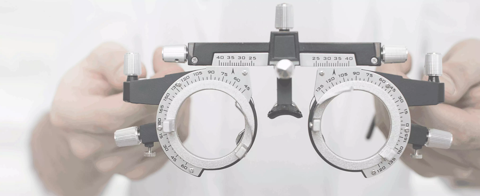
We handle eye injury compensation claims arising from a wide range of circumstances, including:

Eye injury claims require Personal Injury Solicitors who understand both the clinical and financial impact your accident may have had on you and your family. The ongoing costs of ophthalmic appointments, prescription eyewear, UV protection, oculoplastic surgery, assistive technology, and psychological support can span many years and add up to a significant sum. We work to ensure claims take into account both current expenses and future treatment and support needs.
We understand the evidence often needed to investigate eye injury claims and build a strong case. Depending on the circumstances, this may include accident reports, witness evidence, CCTV footage, medical records, risk assessments, equipment maintenance logs, training records, or evidence relating to protective equipment and workplace safety procedures.
We update you at every stage of your claim process, explain everything in easy to understand language, and take the lead on the legal process so you can focus on your recovery.
At Simpson Millar Solicitors, our specialists have been recognised in the Legal 500 and Chambers & Partners for their legal expertise. Our team also includes members of the Association of Personal Injury Lawyers (APIL).
Once we have taken your initial instructions, your claim will be passed to a Personal Injury Solicitor who specialises in the type of claim you are pursuing. We’ll then figure out who exactly is responsible for the injury you’ve suffered.
If the other party admits fault for the accident, your Personal Injury Lawyer will get your medical records and get you examined by a suitable medical professional. The expert will review your records, examine you and write a medico-legal report. This report will be written by either a doctor or another type of health professional, for legal proceedings. It’s an essential document when it comes to evidence, as it’ll be used to explain what your physical or mental injuries are. If you have more than one injury, you could be examined by multiple different experts.
When the medical evidence is finalised and your Personal Injury Solicitor has calculated how severeyour financial losses are, they will figure out the value of your claim and then advise you on the sum of the compensation settlement offer you should make to the other party. In some cases, your Personal Injury Solicitor might advise you to invite the defendant to make a settlement offer, instead of making one to them.
Ideally, the other party who is responsible for the injury you sustained will accept that they’re at fault or they’ll want to negotiate a settlement outside of Court.
We're helping people just like you all over the UK! Get in touch with our dedicated team today!
You might be able to claim for any injury to your eye or vision caused by someone else's negligence. Common examples include full or partial loss of sight, corneal abrasion, retinal detachment, orbital fracture, optic nerve damage, chemical burns, traumatic loss of an eye, and cosmetic changes such as a drooping eyelid. Claims can also arise where an injury to one eye later causes sympathetic ophthalmia to the other eye, even if the condition develops some time after the original accident.
Employers have a legal duty to protect workers from foreseeable risks of an eye injury. This includes providing appropriate protective equipment, maintaining machinery safely, controlling exposure to hazardous substances, and ensuring staff receive adequate training for the work they carry out.
If your eye injury was caused by unsafe working conditions or failures in workplace safety procedures, you may be able to bring a compensation claim.
Personal injury compensation is usually divided into two categories:
a) General damages that cover pain, suffering, and the impact the eye injury has had on your quality of life, daily activities, and independence.
b) Special damages that compensate you for financial losses and future expenses linked to the injury, which may include ophthalmic treatment , oculoplastic surgery, prescription aids, assistive technology, psychological support, loss of earnings, care needs, and any home or workplace adaptations.
Our Personal Injury Solicitors have years of experience calculating the value of eye injury claims. We work with independent ophthalmologists and other medical experts to assess the long-term impact of the injury and any future treatment or support needs before valuing your claim.
You usually have three years from the date of your injury to start a claim under the time limit legislation on the government's website. Where a condition developed or was diagnosed after the original accident, the three-year period runs from the date you first became aware, or could reasonably have become aware, that the condition was linked to the accident or negligent treatment. Some eye conditions, including sympathetic ophthalmia, may not develop until some time after the original injury.
A claim can succeed where laser eye surgery or another procedure was carried out negligently, including where there was inadequate pre-operative assessment, failures during treatment, or a lack of properly informed consent, and this caused avoidable damage to your vision. These cases are treated as medical negligence claims and require detailed clinical evidence from independent ophthalmic experts. We have the specialist knowledge and experience to handle them.
Useful evidence may include medical records and hospital notes, photographs of your injuries, reports from your GP or specialist, CCTV footage of the incident, accident reports, records of any workplace risk assessments or equipment inspections, and witness statements.
We take the lead in gathering the evidence so you do not have to pull everything together yourself. Our Personal Injury Solicitors are committed to supporting you and your family throughout the claims process with clear advice and practical support.
If we are able to help you with your compensation claim, we will usually handle it on a No Win, No Fee basis. This means you will not normally need to pay any upfront legal fees. We may also be able to arrange After The Event (ATE) Insurance to help cover certain costs and expenses associated with the claim.
If your claim succeeds, the other side may pay a proportion of your legal costs, although you may still need to pay a 'success fee' from your compensation payment, but this fee will be capped., as We are transparent with our legal fees and everything will be explained to you at the beginning of the legal process.
Call us on 0800 260 5010 or request a callback. An Eye Injury expert will carry out a free, confidential claim assessment, explain your options, and answer any questions you might have. The first conversation carries no obligation to proceed with a compensation claim.
We are here to support you following a serious eye injury and explain whether you may be able to make a compensation claim. Book your free, confidential call today to discuss your circumstances and understand your options.
Get in touch on 0800 260 5010 or request a callback.



 We're rated‘Excellent’
If you have suffered a serious eye injury that has affected your vision, you may be able to claim compensation if it was caused by negligence. This article explains the legal criteria for making a claim, the types of incidents that can lead to eye injuries, and the evidence required to support a case. It also highlights the wider impact of vision loss on independence, work and daily life, and why early legal advice is important.

A serious injury can profoundly impact your life, causing both physical and financial strain to both you and your loved ones. From life-altering medical challenges to enduring financial stress, the repercussions are significant, and can last forever. Our team of specialist Personal Injury Solicitors are here to guide you through the process of seeking compensation for your future needs, whether it be disability-related care, adaptations, equipment, or rehabilitation treatment.

When you’re claiming compensation, the process can sometimes take longer than you’d planned. Whether it’s due to things taking longer in terms of settling on an amount, or if the process is just taking a while because of these services being overwhelmed, sometimes, things don’t go according to the timelines you expected.
Fill in the form below to get in touch with one of our dedicated team members, or call our team today on: 0800 260 5010