





Articles
Legal updates, insights and expert opinion on what matters to you.
If you’ve lost a limb because of negligent medical care, our expert Medical Negligence Solicitors may be able to help you. An amputation is one of the most devastating injuries a person can suffer. If you have lost a limb or digit due to medical negligence, you may be feeling completely overwhelmed and perhaps angry at what has happened to you. Our experienced team understands this and will do everything we can to get you the compensation you need to access the best treatment, rehabilitation, and therapy services.
We offer a free claims assessment where we can review your situation and tell you if you have grounds to bring a claim forward, and if we can, we will help you to claim compensation you deserve for your limb loss. We may also be able to take your case on a No Win, No Fee basis.
Our expert medical negligence advisors and solicitors have many years of experience helping people who have lost a limb because of medical misdiagnosis, infection, or surgical errors.
We are compassionate and caring, as well as highly driven to help our clients get compensation and any other remedies that may be important to them, such as an explanation of what went wrong or an apology.
Fill in the form below to get in touch with one of our dedicated team members, or call our team today on: 0800 260 5010
From understanding your rights to what happens during a claim, our Medical Negligence content hub brings together expert insight, practical guides and real client outcomes.
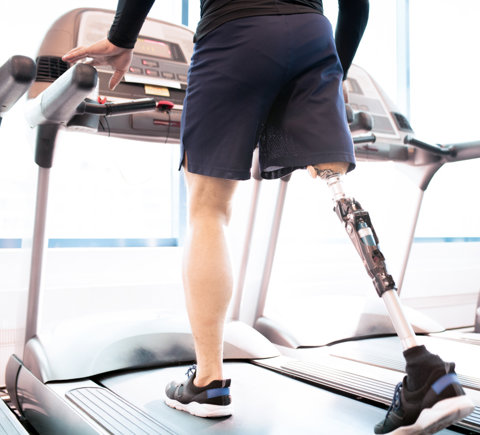
Amputations can result from several situations that may involve medical negligence, including:

Our experienced medical negligence team supports people across England and Wales with a wide range of complex medical negligence claims.
Everyone in our firm understands the impact an amputation can have and is committed to getting clients the compensation and rehabilitation they need to rebuild their lives. You can be confident that we will act firmly but with compassion and sensitivity. We'll also speak to you in plain English and keep you updated as to how your claim is progressing.
We care deeply about our clients' welfare and work tirelessly to achieve the best outcome possible.
For a free claims assessment, contact our Medical Negligence experts for a no obligation assessment.
We're helping people just like you all over the UK! Get in touch with our dedicated team today!
If you have lost an arm, leg, finger, or toe because a healthcare professional made a mistake when treating you or during surgery, you may be eligible to claim compensation. Our job is to prove that the healthcare professional breached their duty of care, and that the breach resulted in you suffering an amputation. If we can take on your claim, we’ll use our expertise to prove the NHS Trust, or private hospital is liable for your amputation and need to pay you compensation.
Our expert No Win, No Fee Medical Negligence Solicitors will conduct an in-depth investigation into what went wrong with your treatment or surgery which resulted in your amputation. We will also thoroughly analyse your current and future prognosis and needs so that we can accurately calculate how much compensation you’ll need. The evidence we will collect and present may include:
If the NHS or private hospital accepts responsibility for your amputation, we could ask them to make early interim payments before your case reaches its final settlement. These can help you if you are struggling financially because you've had to take time off work due to your amputation. Interim payments can also fund private rehabilitation that can assist with achieving a swifter recovery. The release of early funds can also help you buy things that can aid independence, such as a wheelchair or home and vehicle adaptations.
There is no fixed amount of compensation for an amputation caused by medical negligence. The amount will depend on your individual circumstances, including the type and level of amputation, the impact on your life, your prognosis and any financial losses or future needs resulting from the negligence.
Compensation is generally made up of two types of damages:
If we take your claim forward, we will gather medical and other expert evidence to understand the full impact of your amputation and assess both your current and future needs before valuing your claim.
It depends on the severity of your injury and long-term prognosis. If your claim is successful, compensation can:
Help you access private healthcare, which is sometimes more specialist to what the NHS can provide. This could include prosthetic limb fittings and rehabilitation, walking aids, and physiotherapy. If you need an operation, you may be able to claim the costs of having the surgery carried out privately, which can help you access the treatment much sooner than being on a lengthy NHS waiting list.
Help you pay your bills, and any expenses associated with your amputation and recovery.
Pay for support aids such as:
Although compensation can never take away the pain and suffering you may be experiencing as you recover, it can end financial stress and provide you with the funds needed to access the best rehabilitation and treatment.
If we can help you with your claim, we may be able to offer you a No Win, No Fee agreement. This means you won't pay any money upfront for your legal fees, but you will have to pay additional costs, known as disbursements. These include things such as court or expert report fees. Disbursements can be covered by an insurance product called After the Event Insurance. Your solicitor will provide more details about this.
You'll sign a Conditional Fee Agreement or a Damages Based Agreement that says if your claim is unsuccessful, you won't pay our legal costs. If we win your case, the other side will pay for a proportion of our legal fees, but you may have to pay for some of these yourself from your damages. This is usually capped at a percentage agreed in advance.
Unless limited exceptions apply, you have three years from the day the medical negligence that led to your amputation occurred to make a compensation claim. Alternatively, the three-year time limit begins from the day you discovered medical negligence caused your amputation.
If the Claimant is under 18 years of age, they cannot make a claim themselves. An adult can claim on their behalf as a Litigation Friend. Once the Claimant turns 18 years old, they have until their 21st birthday to start the legal proceedings.
Yes, most cases are settled out of court. If the NHS Trust or the private healthcare provider admit liability early, court action to establish fault won’t be required. But if there is a dispute about the amount of compensation to be awarded, we may need to go to court. Court proceedings may also be filed if the Defendant does not admit fault. But don't worry. We'll provide all the advice and support you need and ensure the claim proceeds as smoothly as possible.
Amputation claims are among the most complex types of hospital negligence claims. With all the factors involved, they can sometimes take a few years to settle. However, we will do our best to get the NHS Trust or private hospital to accept liability early and make interim payments to assist with funding rehabilitation and immediate living costs.
This won’t prevent you from making a compensation claim, however, if you were found to be contributorily negligent, the Court may reduce the final compensation award.
Yes. Compensation for an amputation claim covers psychological injuries such as depression, anxiety, or post-traumatic stress disorder alongside your physical injury. Your solicitor will arrange an assessment with a psychiatrist or psychologist as part of your medical evidence, and their report will help establish how the loss of your limb has affected your mental health, relationships, or ability to work. This means the compensation you receive reflects the full impact of what has happened to you, not only the physical loss.
Yes. A prosthetic limb needs replacing every few years as it wears out or as your needs change, and your compensation is calculated to cover this cost for the rest of your life, not just your first prosthesis. Your solicitor will instruct a prosthetics expert to assess which type of limb suits your lifestyle, from an NHS model to an advanced myoelectric prosthesis, and to calculate the lifetime cost of maintaining and replacing it. This figure forms part of your special damages award, alongside costs for repairs, adjustments, and any specialist physiotherapy you need to use your prosthesis effectively.
You can still bring a claim if your surgeon performed the operation negligently, even where amputation was a recognised risk you were warned about beforehand. Consenting to a risk is not the same as consenting to substandard care, so if your surgeon made an avoidable error, failed to spot a complication in time, or did not follow the correct procedure, you may have a valid claim regardless of what the consent form said. We will review your consent documentation alongside your medical records and instruct an independent expert to establish whether your care fell below the standard you were entitled to.
To speak with us today for a free initial consultation with our medical negligence team, call 0800 260 5010, or use the online callback form to book a consultation at a time that suits you.



 We're rated‘Excellent’
Breast cancer remains the most common cancer in the UK, with over 56,000 new diagnoses each year. Early detection greatly improves outcomes, yet delayed or missed diagnoses still occur due to screening backlogs, misread results, or overlooked symptoms. This Breast Cancer Awareness Month, Simpson Millar highlights why attending screenings, knowing the signs, and seeking prompt advice are vital. If your diagnosis was delayed, our Medical Negligence Solicitors can help you understand your options and whether you may be entitled to compensation.

If your baby suffered an injury during pregnancy, labour, delivery, or shortly after birth, you may be able to make a medical negligence claim if avoidable mistakes caused harm. This guide explains when birth injuries may amount to negligence, the types of care failures that can lead to a claim, how compensation can support your child's future needs, and why seeking legal advice early can help preserve important evidence.

The Amos Review and the Nottingham Maternity Review expose widespread failings in maternity and neonatal care across England, including poor organisational culture, staffing shortages and repeated failures to listen to women. In this article, Kate McCue examines the findings, explains why they matter for families, and explores the reforms needed to improve patient safety, accountability and confidence in NHS maternity services.
Fill in the form below to get in touch with one of our dedicated team members, or call our team today on: 0800 260 5010