Our frontline experience supporting survivors
Our Public Law and Human Rights experts support individuals whose exploitation is not always identified when they first seek help. In many cases, trafficking is only recognised much later, sometimes after repeated engagement with public bodies or following legal intervention.
In practice, trafficking often overlaps with other forms of vulnerability, including insecure immigration status, homelessness or unstable accommodation, domestic abuse, labour exploitation, and debt bondage. These overlapping issues can make exploitation harder to identify and easier to overlook.
Survivors frequently struggle to disclose what has happened to them. This may be due to fear of authority, the impact of trauma on memory and communication, a lack of trust shaped by previous experiences, or concern about the consequences of speaking out. Disclosure is rarely immediate or complete. It is often gradual, emerging only once someone feels safe enough to share their experiences.
Our role is to provide specialist, trauma-informed legal representation that allows time and space for experiences to be safely disclosed. Early legal advice can be decisive in preventing further harm, particularly where someone is at risk of destitution, unsafe accommodation, detention, or removal from the UK. Without that support, survivors can remain unrecognised even when exploitation has taken place.
Challenging common misconceptions about trafficking
Many people still associate human trafficking with very specific and extreme scenarios, such as people being smuggled across borders in lorries, or children being forced into sexual exploitation by organised criminal networks. These forms of trafficking do happen, but they represent only part of the picture.
In practice, trafficking does not always involve international travel, physical restraint, or obvious violence. Many survivors are exploited within the UK, sometimes for long periods, without ever being moved across borders. Exploitation can take place in ordinary settings, including workplaces, private homes, or temporary accommodation, and may be hidden behind what appears to be legitimate work or living arrangements.
Control is also commonly misunderstood. Traffickers do not always rely on physical force. Instead, control may be maintained through psychological coercion, threats, manipulation, debt, or by creating dependency. Survivors may be told they owe money, that they will be reported to authorities, or that harm will come to them or their family if they try to leave. Over time, this can make escape feel impossible.
These realities mean that many survivors do not see themselves as victims of trafficking. Some believe they have agreed to the situation they are in, even where that “agreement” was obtained through deception or pressure. Others may feel responsible for what has happened to them, particularly if they have been made to commit offences or have breached immigration rules as a direct result of their exploitation.
Fear also plays a significant role. Survivors may worry that they will not be believed, that they will be punished, or that disclosing their experiences will make their situation worse. Trauma can also affect memory and communication, meaning accounts may be fragmented, inconsistent, or disclosed gradually rather than all at once.
When decision-makers expect survivors to present a clear, consistent account from the outset, these realities can be misunderstood as a lack of credibility. Without proper awareness and training, the effects of trauma and coercion risk being misinterpreted, rather than recognised as indicators of exploitation and harm.
Professional awareness is therefore essential. Understanding how trafficking really operates is critical to ensuring survivors are identified, believed, and protected, rather than overlooked because their experiences do not fit common assumptions.
The current policy context and practical concerns
The UK’s National Referral Mechanism (NRM) is the framework for identifying and supporting potential victims of modern slavery and human trafficking. According to the Home Office, there were 17,004 NRM referrals in 2023, the highest annual total since the NRM began. This increase reflects growing awareness, but it does not capture the full scale of exploitation.
The Centre for Social Justice has estimated that at least 100,000 people may be living in conditions of modern slavery in the UK, highlighting the significant gap between the number of people referred and those who may actually be affected.
Alongside rising referral numbers, there has been increasing emphasis on rapid decision-making, credibility-focused assessments, and enforcement-led approaches. In practice, this means decisions are often made more quickly, with a strong focus on whether a person’s account is seen as consistent, detailed, and supported by evidence at an early stage, and with greater attention given to immigration control or compliance rather than protection and recovery.
From our frontline experience, these trends can be unhelpful where survivors’ accounts are fragmented due to trauma, where disclosure happens gradually, or where evidence is difficult to obtain. Many survivors struggle to recall events in a clear or linear way because of the psychological impact of exploitation, fear of authority, or ongoing control by perpetrators. It is also common for people to disclose only parts of their experience at first, particularly where trust takes time to build or where they fear the consequences of speaking openly. In these circumstances, a heavy focus on early consistency or documentary evidence can lead to genuine survivors being disbelieved or left without protection.
When responses to trafficking focus mainly on immigration enforcement, people’s safety and wellbeing can be missed. Survivors’ experiences are often complex and do not follow a neat timeline, so systems need to be flexible enough to recognise this and provide protection.
Why survivor-centred legal approaches matter
A survivor-centred legal approach focuses on what people need in order to be safe, rather than on how quickly decisions can be made. For survivors of trafficking, this often means having the time and support needed to understand their rights and engage with legal processes at their own pace.
Legal issues linked to trafficking rarely exist in isolation. Survivors may face problems with immigration status, unsafe housing, lack of financial support, or the risk of being penalised for actions they were forced to take during exploitation. Addressing one issue without considering the others can leave people exposed to further harm.
Survivor-centred legal work brings these issues together. It ensures that decisions about identification, support, and protection are informed by the wider context of someone’s experience, and that safeguarding remains the priority throughout the process.
When legal practitioners, charities, and public bodies work collaboratively, systems are more likely to protect survivors in practice. This approach reduces the risk of people being left without support due to technicalities, misunderstandings, or rigid processes, and helps ensure that legal protections operate as they were intended to.
A recent case example from our work
Our casework regularly shows why it is so important to challenge trafficking decisions when they are wrong.
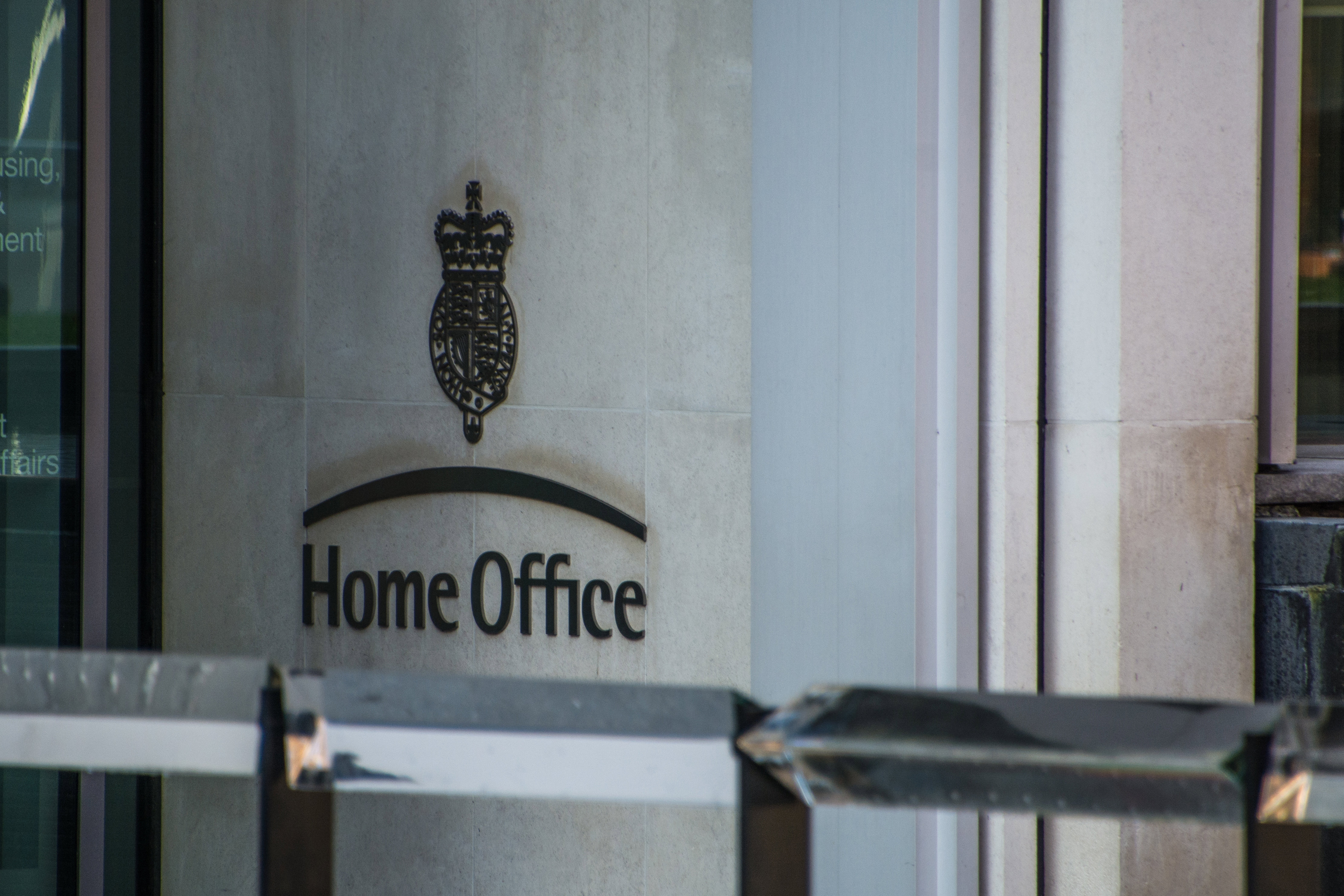
In one recent case, we supported a client who received a negative Reasonable Grounds decision, meaning the Home Office decided there were no reasonable grounds to believe the client was a victim of trafficking at the initial stage of the process. We challenged that decision and formally asked for it to be reconsidered, explaining why the available evidence supported recognition. Following this challenge, the Home Office accepted that the decision was incorrect and issued a positive Reasonable Grounds decision, recognising the client as a potential victim of trafficking.
Despite this, the client was later refused recognition at the final decision stage. When the client returned to us, we challenged that refusal through the courts. A judge agreed that the case raised serious issues and granted permission for the challenge to proceed. Shortly afterwards, the Home Office accepted that the decision could not stand and issued a positive Conclusive Grounds decision, formally recognising the client as a victim of trafficking.
If these decisions had not been challenged at each stage, the client would not have been formally recognised and would have been left without the protection and support they were entitled to. This case reflects a wider pattern seen in trafficking decision-making, where survivors can face repeated refusals unless decisions are carefully and persistently challenged.
Expert insight from our team
Shalini Patel, Head of Public Law and Human Rights at Simpson Millar, explains that many of the challenges faced by survivors stem from a gap between how trafficking works in reality and how systems are designed to respond:
‘’Survivors’ experiences of trafficking are rarely straightforward. We often see people who have been exploited over long periods, whose disclosure is gradual, and whose circumstances do not fit neatly into expected patterns. When systems prioritise speed or rigid credibility assessments without understanding trauma, survivors can be wrongly disbelieved and left without protection. Early, trauma-informed legal support is often crucial in ensuring people are properly recognised and safeguarded.’’
This reflects what our team sees across many cases. Without specialist legal input, flawed decisions can remain unchallenged, and survivors may be left without access to support, safe accommodation, or stability at a critical point in their recovery.

Reflection and action on Human Trafficking Awareness Day
Human Trafficking Awareness Day should be a moment not only to recognise that trafficking exists, but to consider how people can be protected in practice once exploitation has occurred. Awareness must lead to action, particularly when individuals come into contact with services that are in a position to identify risk and respond appropriately.
Members of the public, employers, and professionals may notice signs that something is not right, even if exploitation is not immediately obvious. These signs can include restricted freedom, visible fear or distress, an inability to speak privately, lack of access to identity documents, or people living and working in unsafe or exploitative conditions. No single sign proves trafficking, but concerns are still worth raising.
If you suspect someone may be experiencing modern slavery or human trafficking, concerns can be reported to the Modern Slavery and Exploitation Helpline on 08000 121 700. If someone is in immediate danger, the emergency services should be contacted by calling 999. If there is an urgent concern but no immediate risk, you can contact the police on 101. Raising concerns in this way can play an important role in helping people access protection and support.
Our commitment to survivors
At Simpson Millar, our Public Law and Human Rights experts are committed to ensuring that survivors of trafficking are properly recognised, protected, and supported throughout their interaction with the legal system. We understand that exploitation causes lasting harm, and that the way decisions are made can either support recovery or deepen that harm.
Our work focuses on providing early, trauma-informed legal advice, challenging unfair or unlawful decisions, and holding public bodies to account when systems fail to protect those they are intended to support. We believe survivors should not have to meet narrow expectations or present perfect narratives in order to be believed and safeguarded. Human Trafficking Awareness Day is a reminder that legal protections only work when they are applied with care, understanding, and a genuine focus on people’s safety and dignity.
If you or someone you know may have been affected by trafficking or exploitation, you can contact us on 0808 239 1057. Our team will listen carefully, explain the options available, and take action where it is needed.