What happened
In the early hours of a Sunday morning, our client was travelling as a passenger in a car that was driving along a rural road. The vehicle failed to take a bend safely, left the carriageway, and struck a tree with force.
At first, the driver claimed that our client had grabbed the steering wheel, causing the car to crash. This was not supported by the evidence. A detailed police investigation found that the driver had been travelling at excessive speed and had lost control. He was also found to be over the legal limit for cannabis, and although he had alcohol in his system, this was not above the legal drink-drive limit.
The accident was therefore caused by the driver’s own actions. After reviewing the police evidence, the Defendant’s insurers accepted full responsibility for what happened. Our client was not found to have contributed to the accident in any way, meaning he was entitled to 100% of the compensation awarded.
What injuries did our client suffer?
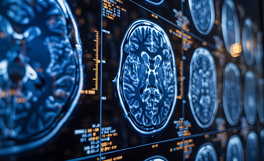
The impact of the collision caused catastrophic injuries. Our client suffered a diffuse axonal injury, which is a form of traumatic brain injury that occurs when the brain moves violently within the skull, damaging the nerve connections that allow different parts of the brain to communicate. This type of injury often results in long-term problems with thinking, emotions, and behaviour.
He also sustained a subarachnoid haemorrhage, which is bleeding on the surface of the brain, as well as multiple broken bones and internal injuries, including:
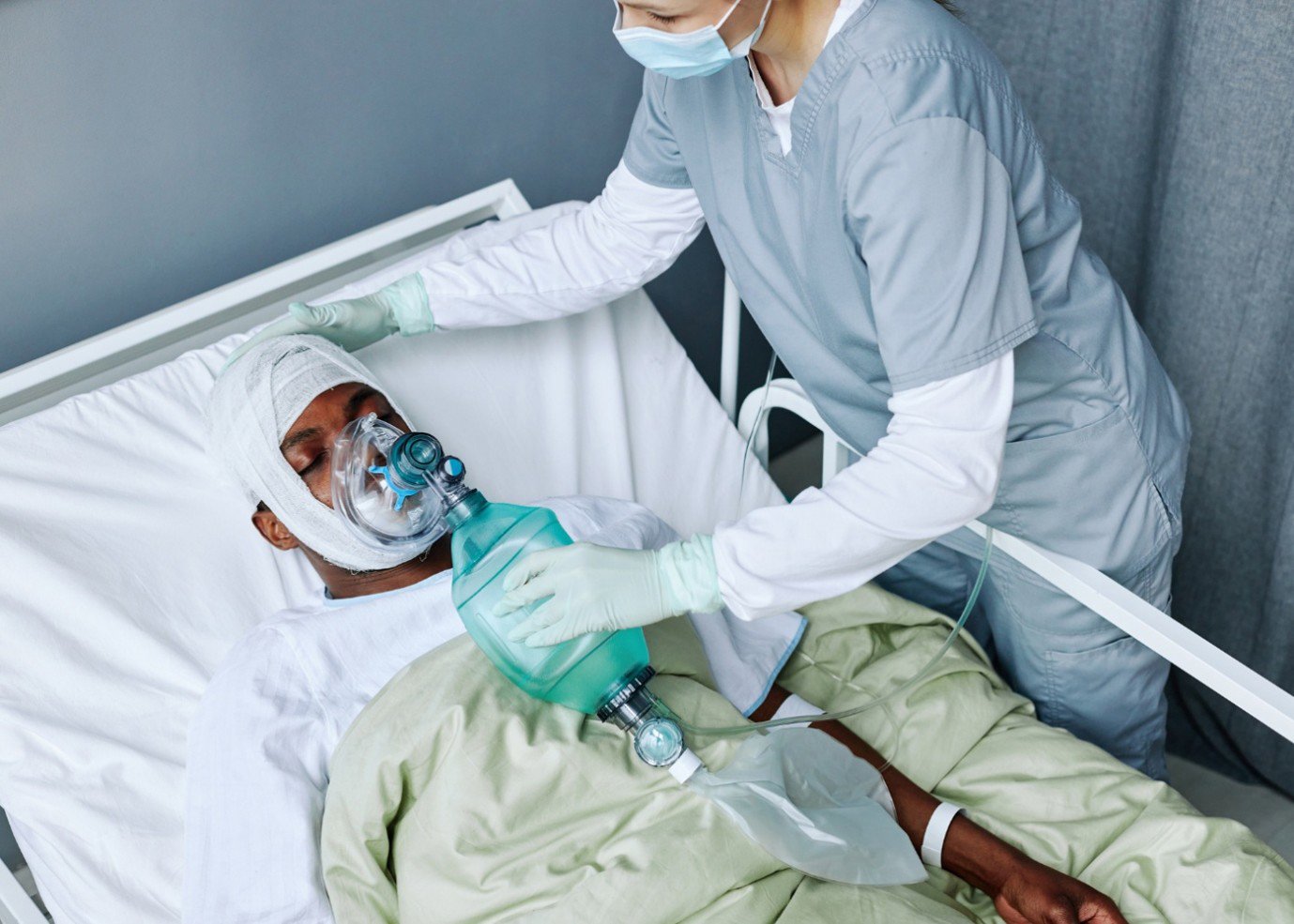
He was taken to a major trauma centre where he was admitted to intensive care for several months. Once his condition stabilised, he was transferred to a specialist neurological rehabilitation unit to begin recovery. He remained there for several months before being discharged to live with his mother, who had agreed to help support his care and recovery at home.
The long-term impact
Whilst our client made some physical recovery, the effects of his brain injury were long-lasting and deeply affected many areas of his life. He experienced difficulties with memory, concentration, emotional regulation, and decision-making - all of which are common after a diffuse axonal injury. These challenges meant he could not return to his previous level of independence.
Sadly, not long after he was discharged from rehabilitation, both of his parents passed away. This was an incredibly painful loss for him, and because of the effects of his brain injury, he found it extremely hard to process what had happened. His emotional wellbeing suffered significantly, and this created a setback in the progress he had been making.
Over time, he became increasingly anxious and withdrawn, and he struggled to trust those around him. This led to strained relationships with some of the professionals involved in his care, and he made reports to the police based on concerns that were later found to be unfounded. His mental health became more complex, and during this difficult period, he also began using illegal substances, which further impacted his wellbeing.
These combined challenges made it hard to maintain a consistent care team, and he began declining both NHS and private treatment. Eventually, as his condition became more unstable and he struggled to keep himself safe, he was admitted to hospital under the Mental Health Act for more intensive support. He remains there as an inpatient, with the goal of returning to the community when it is safe and appropriate to do so.
Legal challenges
Although the Defendant accepted liability for the accident, the claim itself was far from straightforward. Because of our client’s injuries and mental health needs, we faced several significant challenges.
- Missed and rearranged appointments: Many of the expert medical assessments needed to build the case had to be rearranged, as our client often cancelled or was unable to attend due to his mental health. These reports were essential to understanding how his injuries would affect him for the rest of his life, so every missed appointment delayed progress.
- Working with multiple agencies: We had to maintain close contact with the Court of Protection Deputy, the case manager, the Defendant’s experts, and healthcare professionals to make sure information was shared and consistent.
- Police and authority involvement: Because our client reported his carers and legal team to the police, we had to liaise with the authorities to explain that his actions were linked to his brain injury, not deliberate misconduct. Ensuring they understood this was vital to prevent unnecessary intervention or misunderstanding.
- Access for Defendant’s experts: The Defendant’s medical professionals also needed to assess our client, but given his vulnerability and erratic behaviour, arranging safe and appropriate access required careful planning.
Despite these difficulties, the case continued to move forward. Regular communication, persistence, and cooperation between all involved helped bring it to a successful conclusion.

The outcome
We secured a £7.5 million settlement for our client, reflecting the full extent of his injuries, his need for lifelong care, and his reduced capacity to manage his own affairs.
This settlement will allow him to:
- Access private care from experienced carers once he is discharged from hospital, rather than relying solely on local authority support. This will improve his chances of returning safely to the community.
- Receive private medical and psychological treatment Rat home, if and when he feels ready to engage with it.
- Rent a suitable and adapted home, designed for safety and comfort, with the right environment to support recovery.
- Have his finances protected and managed by his Court of Protection Deputy, ensuring that funds are used appropriately and that he is protected from financial exploitation.
Because of his vulnerability, the court also granted an anonymity order, which means his name and personal details are permanently protected. This ensures that he cannot be identified in public records or media reporting about the case.
How Simpson Millar supported their client
This was one of the most complex and demanding cases our team has handled. Throughout the process, we focused on ensuring our client’s rights were protected and that he would have access to the best possible care and rehabilitation, even when communication was difficult.
We worked closely with the Court of Protection Deputy and case manager to make sure his welfare needs were met. When medical appointments were missed or cancelled, we rearranged them as soon as possible. We also coordinated with the Defendant’s experts to make sure all assessments were fair, respectful, and safe.
At the same time, we took care to explain the situation to statutory bodies, including the police, so that they understood that his behaviour was the result of brain injury and emotional distress rather than criminal intent.
Every decision we made was aimed at securing a future where he could live with dignity, stability and access to proper support.
How we can help others
Suffering a serious brain injury in a road accident can completely change a person’s life, as well as the lives of their family. It can lead to years of medical treatment, rehabilitation and emotional recovery - and in many cases, the injured person may no longer be able to make decisions for themselves.
At Simpson Millar, we understand how overwhelming this can feel. We have decades of experience supporting clients with catastrophic brain injuries and working alongside families, Deputies, and case managers to ensure that the right care and financial security are in place for life.
If you or a loved one has suffered a brain injury because of an accident, we can help you understand your rights and the options available. We will explain everything clearly, in plain English, and support you through every stage of the process.
Call us on 0808 239 5461, or request a callback to speak to one of our experts. We’ll listen to your story and explain the legal options that might be available to you.