Which organisations can be held vicariously liable?
Whether vicarious liability applies depends on the specific facts of each case, but claims may arise against organisations including:
Every case is different, and simply because abuse occurred within an organisation does not automatically mean that vicarious liability will apply. A detailed assessment of the circumstances is always required.
Vicarious liability and foster care
One of the most significant developments in abuse law concerns foster care.
For many years, Local Authorities could be held legally responsible for abuse committed by employees working in residential care settings, but not for abuse committed by foster carers. This meant that, in some cases, survivors who had experienced abuse while living with foster carers were unable to pursue compensation against the Local Authority responsible for placing them there.
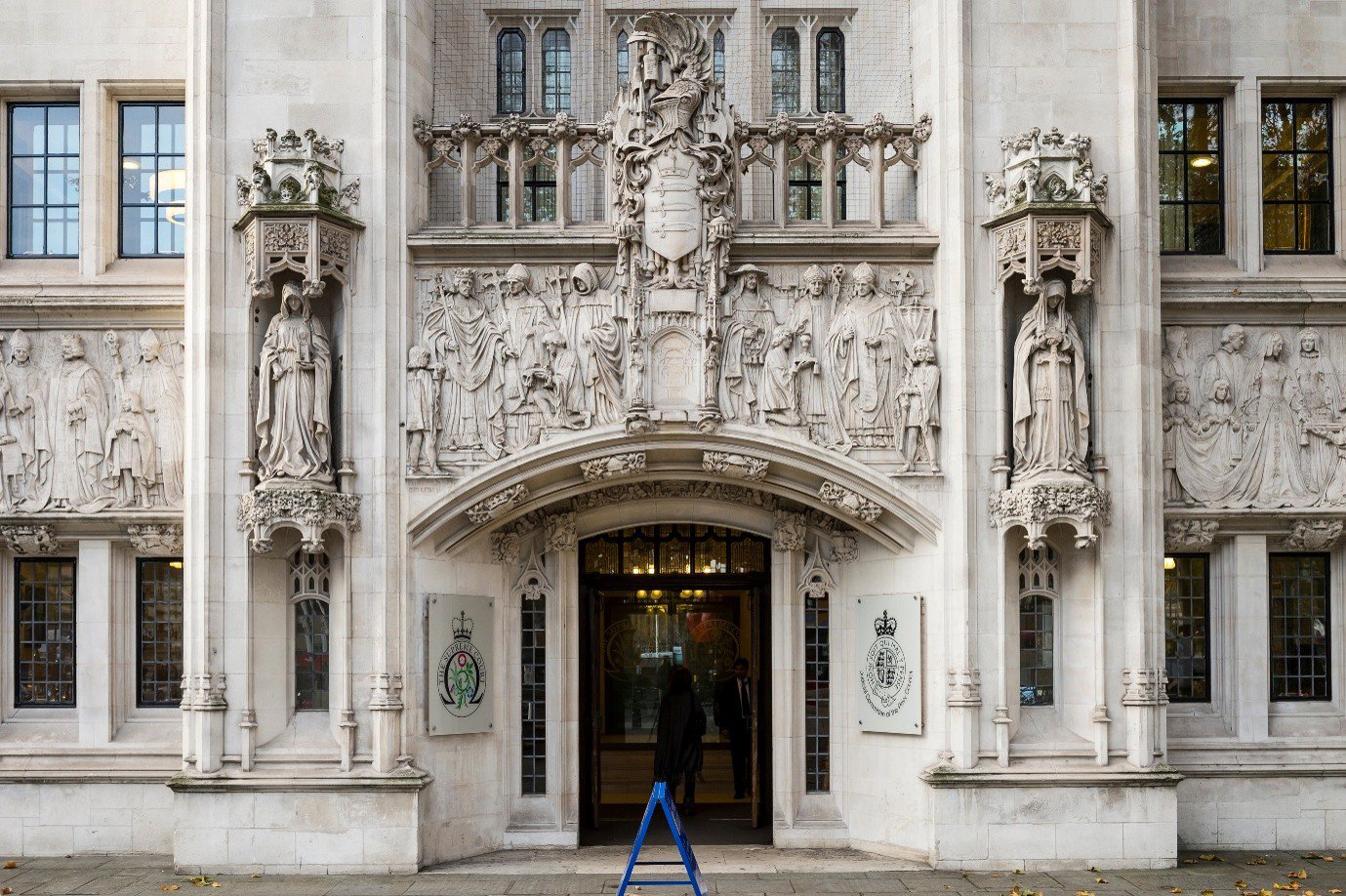
This changed in 2017, when the Supreme Court confirmed that, in appropriate circumstances, Local Authorities can be held vicariously liable for abuse committed by foster carers.
The Court recognised that, although foster carers are not employees in the traditional sense, they are carefully recruited, assessed, approved, trained and supervised by Local Authorities. Foster carers perform an important public function by caring for children who have been placed with them, and the relationship between a Local Authority and its foster carers is sufficiently close for vicarious liability to arise in appropriate cases.
The decision represented an important development in abuse law, giving many survivors the opportunity to pursue compensation where they may previously have been unable to do so.
Although this landmark decision concerned foster care, the principles of vicarious liability can also apply in many other abuse claims involving organisations responsible for the care, education or supervision of children and vulnerable adults. Whether vicarious liability applies will always depend on the specific facts of each case.
Does an organisation have to know about the abuse?
Not necessarily. A claim based on vicarious liability does not usually require the organisation to have known that the abuse was taking place.
Instead, the court considers whether there is a sufficiently close connection between the individual's role and the abuse that occurred.
This is different from other types of claims, such as negligence, where the focus may be on whether an organisation failed to take reasonable steps to prevent foreseeable harm.
In some abuse cases, both vicarious liability and negligence may be relevant, and it may be appropriate to pursue both arguments as part of the same claim.
How do the courts decide whether vicarious liability applies?
There is no single rule that applies to every case.
Instead, the courts consider a range of factors, including:
- the relationship between the individual and the organisation
- the level of control exercised by the organisation
- the responsibilities given to the individual
- whether the role was carried out on behalf of the organisation
- the connection between the role and the abuse that occurred
Because every case is based on its own facts, specialist legal advice is often essential when assessing whether a claim may be possible.
What evidence is needed to establish vicarious liability?
Every abuse claim is different, so the evidence needed will depend on the circumstances of your case. The aim is not only to establish what happened, but also to show the relationship between the person responsible for the abuse and the organisation against whom the claim is being made.
Depending on the circumstances, evidence may include:
- Local Authority, social services or fostering records
- school, college or university records
- children's home or residential care records
- employment or personnel records
- safeguarding and inspection reports
- police records and criminal proceedings
- medical records
- witness statements
- internal policies, procedures or historical documents
- correspondence or other records showing the individual's role within the organisation
In many cases, particularly where the abuse happened many years ago, historic records can play an important role in establishing who was responsible for your care, the relationship between the organisation and the perpetrator, and whether vicarious liability may apply.
However, a lack of documentation does not necessarily prevent a claim from succeeding. Many abuse claims are supported by a combination of witness evidence, available records and other supporting information.
Our specialist Abuse Claims Solicitors have extensive experience obtaining records from Local Authorities, schools, care providers and other organisations. We will identify the evidence needed to support your claim and work with you to build the strongest possible case.
Is there a time limit for making a claim?
Time limits in abuse claims are often more complicated than people expect.
Recent changes introduced by the Crime and Policing Act 2026 have removed the limitation period for many civil child sexual abuse claims in England and Wales. However, these changes do not apply to every type of abuse claim, and different rules may still apply depending on the circumstances of your case.
Because limitation can be a complex area of law, it is always advisable to seek specialist legal advice as soon as possible. Even if you believe too much time has passed, you should not assume that you cannot bring a claim.
How our Abuse Claims Solicitors may be able to help survivors of abuse
Determining who may be legally responsible for abuse is rarely straightforward. Many claims involve historic events, organisations that have changed over time or complex legal issues surrounding responsibility and liability.
Our specialist Abuse Claims Solicitors have extensive experience advising survivors of abuse and pursuing claims against Local Authorities, religious organisations, schools, care providers, sports organisations and other institutions.
We will take the time to understand your circumstances, explain the legal options available to you and advise whether a claim based on vicarious liability, negligence or another legal principle may be appropriate.
From investigating historic records and identifying the correct defendant to gathering evidence and pursuing compensation on your behalf, we will support you throughout the process with clear, straightforward advice.
If you would like to find out how we may be able to help, call our specialist Abuse Claims team today on 0800 260 5010 or request a callback, and we'll get in touch at a time that works for you.