The driver was uninsured
Investigations later confirmed that the driver did not have valid insurance at the time of the collision. Driving without insurance is a criminal offence under the Road Traffic Act 1988.
The driver was later convicted of driving without insurance and did not appeal that conviction.
Because uninsured drivers often do not have the means to pay compensation themselves, claims of this nature are commonly pursued through the Motor Insurers’ Bureau.
Claims involving the MIB can be more legally complex than standard road traffic accident claims because they operate under specific agreements and procedural rules.
Legal proceedings were brought against both the driver and the MIB.
The claim alleged that the collision was caused by the driver’s negligence. In personal injury law, negligence means that somebody failed to take reasonable care and caused injury as a result.
The allegations included that the driver:
- Failed to keep a proper lookout
- Drove too fast for the circumstances
- Failed to brake or stop in time
- Entered the junction when it was unsafe to do so
- Failed to avoid the collision
- Drove through a red traffic light
Our client also relied on the driver’s criminal conviction as part of the civil claim.
The catastrophic injuries
Our client suffered devastating injuries as a result of the collision.
These included:
- A severe traumatic brain injury
- A complex skull fracture
- Bleeding around the brain, including extradural and subdural haematomas
- Multiple spinal fractures involving the neck, upper back and lower back
- A collapsed lung requiring a chest drain
- Fractures to the lower leg
- A fracture to the base of the thumb
- Facial injuries and broken teeth
A traumatic brain injury occurs when the brain is damaged by a sudden impact or force. Serious brain injuries can affect many aspects of a person’s life, including memory, concentration, behaviour, emotional wellbeing and physical functioning.
The bleeding around our client’s brain was life threatening and required close monitoring. Doctors inserted intracranial pressure monitoring equipment, often referred to as an ICP bolt, to monitor pressure inside his skull following the injury.
His spinal injuries were also extremely serious. Some of the fractures were unstable, meaning there was a risk of movement causing further damage to the spine or spinal cord.
He underwent major surgery to stabilise his spine and decompress part of the cervical spine. In simple terms, this surgery was necessary to support and protect the spine after the trauma caused by the collision.
During the same operation, surgeons treated the fractures to his lower leg using an external fixator. This is a metal frame attached outside the body with pins placed through the skin into the bone to hold severe fractures in place whilst they heal.
He later underwent further surgery to stabilise the fracture in his thumb using surgical wires.
Our client remained in intensive care for a significant period before later being transferred to a hospital ward. He was eventually discharged from hospital into the care of his foster mother.
The long-term impact on his life
Although our client survived the collision, the effects of his injuries continue to affect almost every aspect of his daily life.
He continues to suffer from chronic pain, headaches, reduced mobility and significant psychological symptoms. He has been diagnosed with post-traumatic stress disorder, often referred to as PTSD, as well as an adjustment disorder.
PTSD is a recognised mental health condition that can develop after somebody experiences a traumatic event. Symptoms can include flashbacks, anxiety, distress, hypervigilance and difficulty coping with everyday situations.
An adjustment disorder is a psychological response to a major life event or sudden change in circumstances, such as catastrophic injury or disability.
Our client now relies on crutches to help him move around and continues to experience ongoing pain and physical limitations.
After leaving the hospital, our client faced a completely different life from the one he had expected before the collision. Everyday activities which most people take for granted became difficult and, at times, impossible without support. He went from being a young person preparing for a skilled career to somebody suddenly dealing with chronic pain, reduced independence and ongoing rehabilitation.
Before the collision, he had been studying and working towards qualifying as a plumber. He had hoped to build a career in the trade and was completing both plumbing studies and GCSE qualifications at the time of the accident.
Plumbing is physically demanding work which often involves lifting, bending, climbing and working in confined spaces. Because of his injuries, ongoing pain and reduced mobility, it is now unlikely that he will ever be able to pursue the career he had planned for himself before the collision.
Medical evidence suggests that, if he is able to work in the future, he is likely to be limited to more sedentary work rather than physically demanding manual labour.
He is also considered disadvantaged on the open labour market because of his injuries. This means his injuries are expected to reduce both the type of work available to him and his ability to compete for employment in the future.
English is not our client’s first language, which creates additional challenges in relation to employment, rehabilitation and daily life following such serious injuries.
The brain injury and future risks
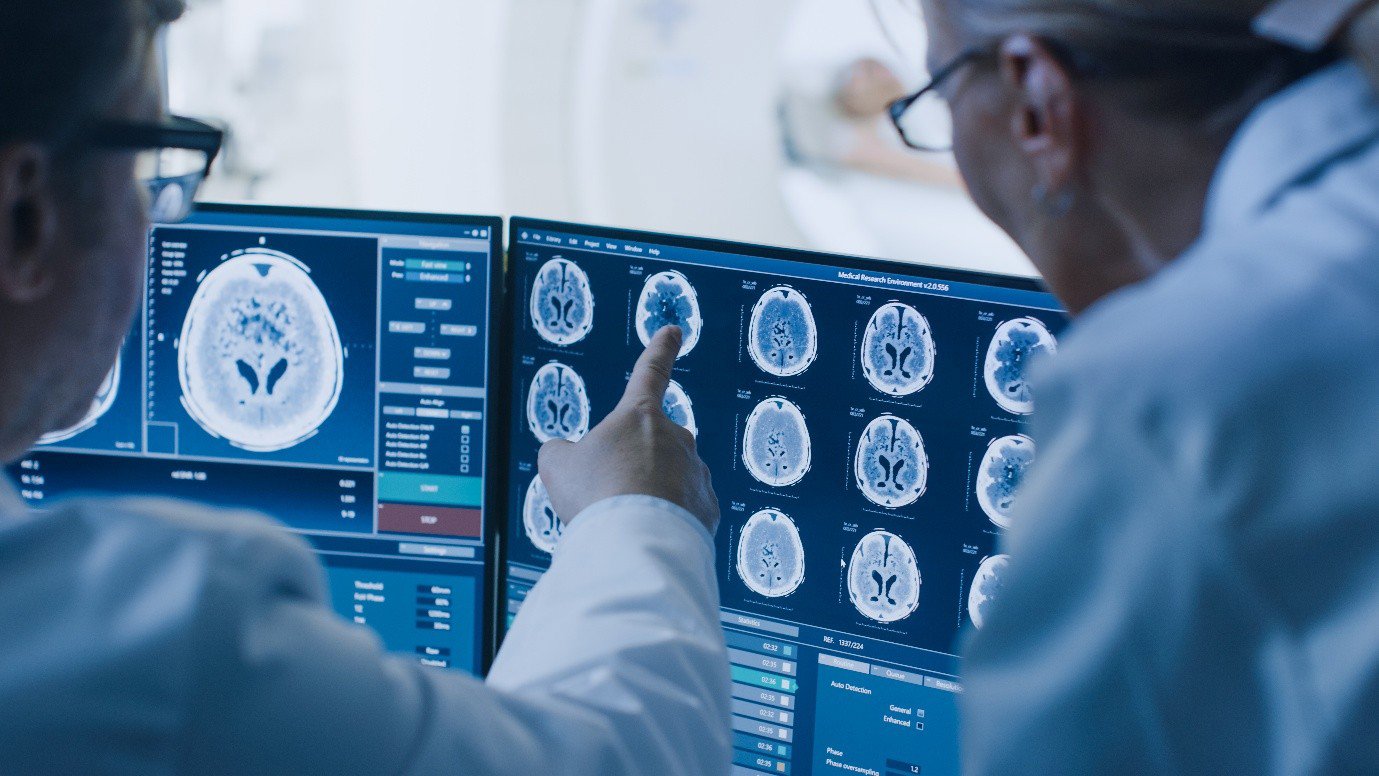
Medical experts concluded that our client suffered a traumatic brain injury with likely neuropsychological consequences.
Neuropsychological symptoms can affect memory, concentration, emotional regulation, fatigue, behaviour and the ability to process information.
Medical evidence also suggests that our client may face an increased risk of developing epilepsy because of the brain injury he suffered.
Because of this, the claim may include what are known as provisional damages. Provisional damages can apply where there is a recognised risk that an injured person may develop a serious medical condition in the future. If that condition later develops, they may be able to return to court and seek additional compensation.
Ongoing treatment and rehabilitation
Our client continues to require significant rehabilitation and specialist treatment.
Medical experts have recommended ongoing support including:
- Physiotherapy
- Hydrotherapy
- Psychotherapy
- Pain management treatment
- Neuropsychological support
- Occupational therapy
- Dental treatment
- Vocational rehabilitation support
Further expert evidence is also being obtained in relation to long-term care needs, accommodation and rehabilitation.
Catastrophic injury claims often require input from many different medical and rehabilitation specialists because the impact of the injuries can affect every area of a person’s life.
It can also take several years before the full long-term impact of catastrophic injuries is properly understood. Ongoing medical evidence is often needed to assess how a person’s condition develops over time and what support, treatment and care they are likely to need in the future.
The legal claim
The claim included compensation for pain, suffering and loss of amenity. Loss of amenity is a legal term used to describe the loss of enjoyment of life and the inability to do things someone could previously do before an injury.
The claim also included financial losses linked to the collision, including care and assistance provided by family members, treatment costs, rehabilitation, loss of earnings and the impact on our client’s future earning capacity.
The compensation for our client is substantial because of the seriousness of the injuries and the long-term impact they are expected to have on our client’s independence, employment prospects and quality of life.
The support provided by family
Since the collision, our client has relied heavily on support from family members, particularly his brother and uncle.
They have helped him with daily activities including washing, dressing, preparing meals, shopping, attending medical appointments and household tasks.
They have also provided emotional support throughout his recovery and helped him avoid becoming socially isolated following the collision. Without this support, our client would have struggled to manage many aspects of daily life after leaving hospital.
His brother significantly reduced his working hours in order to continue helping care for him.
In serious injury claims, the law recognises that family members often provide essential unpaid care following catastrophic injuries, and this can form part of the claim.
How the claim is helping
The claim has helped secure access to ongoing treatment, rehabilitation and support for our client’s future needs.
Catastrophic injury claims are not only about compensation for the injuries themselves. They are also about helping injured people access long-term rehabilitation, financial stability and specialist support which may improve independence and quality of life after a life changing accident.
For our client, the claim represents recognition of the devastating impact the collision has had on his health, future career plans and day to day life. It has also helped provide reassurance that support will be available as he continues adapting to a future very different from the one he had planned before the collision.
Why this case matters
This case highlights the devastating impact that road traffic collisions can have, particularly where a young person suffers catastrophic injuries at the beginning of adult life.
It also demonstrates the important role of the Motor Insurers’ Bureau in cases involving uninsured drivers. Without the MIB, many people injured by uninsured drivers could be left without a realistic route to compensation.
The case further shows the complexity of catastrophic injury claims, which often involve long-term medical evidence, rehabilitation planning and assessment of future care and employment needs.
How we may be able to help others
If you or somebody you care about has suffered serious injuries in a road collision, our Road Traffic Accidents team may be able to help.
Claims involving catastrophic injuries can be legally and medically complex, particularly where uninsured drivers are involved. Early legal advice can help secure rehabilitation, gather evidence and ensure future needs are properly considered.
Call us today on 0808 149 9561, or request a callback, for a free, no-obligation assessment of your case. We will talk you through your situation, explain the legal options that may be available to you, and outline how we may be able to support you moving forward.