Road Safety Week 2026: In conversation with Mark Howarth about making our roads safer

Posted on: 9 mins read
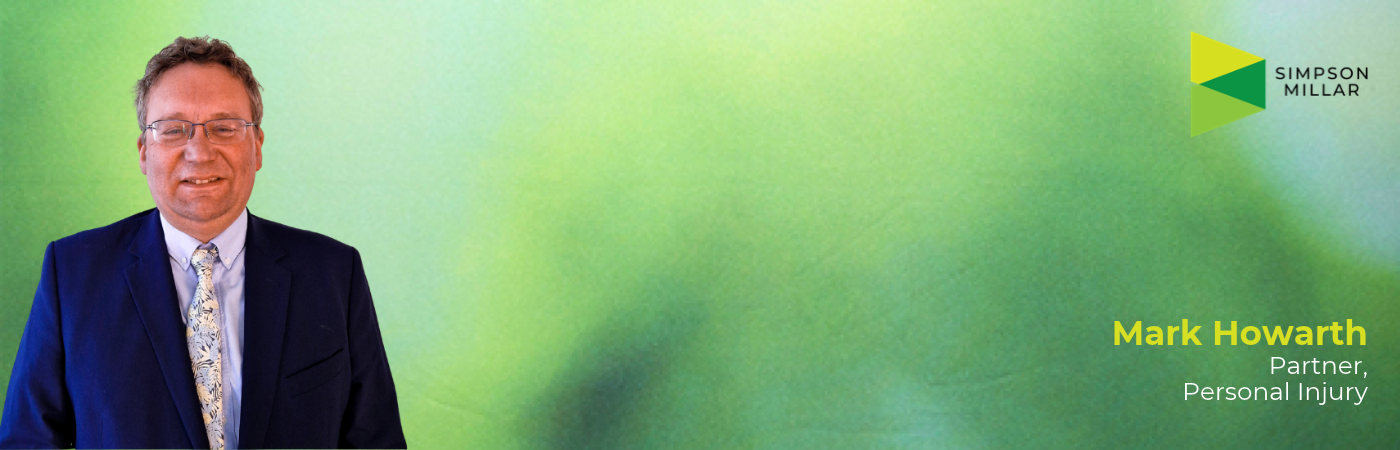
Mark Howarth

Partner & Solicitor, Personal Injury 

Share Article:

Every journey we make involves decisions that can affect our safety and the safety of others. Whether we are driving to work, cycling through our local community or crossing a busy road, understanding the risks around us and taking responsibility for our actions can make a significant difference. 

Taking place from 15 to 21 November, Road Safety Week 2026, organised by road safety charity Brake, focuses on the theme Safe People on the Move. This year's campaign encourages everyone to consider how their behaviour affects other road users, with particular emphasis on protecting those most vulnerable to serious injury. 

In this edition, we speak to Mark Howarth, Partner in our Personal Injury team, about the importance of responsible driving, the Highway Code's hierarchy of road users and the lasting consequences of road traffic collisions. Drawing on his experience representing people who have suffered serious and life-changing injuries, Mark shares his perspective on why improving road safety requires awareness, consideration and shared responsibility. 

TrustpilotStarsWe're rated‘Excellent’

Why is Road Safety Week particularly important from your perspective as a Personal Injury solicitor? 

"Working with people who have suffered serious injuries in road traffic collisions, I see the consequences these incidents can have on individuals and their families. A collision can happen in seconds, but the effects can last a lifetime, affecting someone's physical health, independence, ability to work and relationships with those closest to them. 

What is particularly difficult is that many of the incidents we deal with involve circumstances where different decisions or greater care on the road could have prevented the collision or reduced its severity. 

Road Safety Week provides an important opportunity to encourage people to think about their behaviour on the roads and the responsibility they have towards others. It also brings attention to the experiences of people whose lives have been permanently changed by road traffic collisions. 

For me, the message is about recognising that road safety is everyone's responsibility. The decisions we make whilst travelling can have consequences far beyond ourselves." 


How can everyday driving decisions affect the risk of a serious collision? 

"Some of the greatest risks on our roads come from decisions that people might underestimate, such as driving too quickly for the conditions, becoming distracted or getting behind the wheel when they are not fit to drive. 

Speed is particularly important because it affects both the time available to react to a hazard and the severity of a collision. Even when someone is driving within the legal speed limit, they still need to consider the weather, visibility, road conditions and whether pedestrians or cyclists might be nearby. 

Distraction is another significant concern. Looking at a mobile phone, adjusting controls or simply not paying sufficient attention can mean a driver fails to notice a developing hazard until it is too late. 

One case I handled involved a man who suffered a catastrophic brain injury following a road traffic collision. He was travelling as a passenger when the driver lost control of the vehicle on a rural road and collided with a tree. A police investigation established that the driver had been travelling at excessive speed and was over the legal limit for cannabis. 

I ultimately secured a £7.5 million settlement to provide for our client's long-term care and support needs. Whilst the compensation was essential for his future, the case demonstrates how dangerous driving can permanently change another person's life. 

It is an important reminder that driving responsibly is not simply about avoiding penalties or complying with the law. It is about protecting the lives of everyone who shares the road." 


Why are pedestrians and cyclists particularly vulnerable, and what can drivers do to protect them? 

"Pedestrians and cyclists face greater risks in a collision because they do not have the physical protection provided by a vehicle. Even a collision at a relatively low speed can cause serious injuries, particularly where someone suffers a head injury or is thrown onto the road. 

Drivers need to recognise that vulnerable road users may require additional time and space to travel safely. This is especially important around schools, residential streets, junctions and areas where people regularly walk or cycle. 

Simple precautions can make a difference, such as checking mirrors and blind spots before turning, allowing sufficient room when overtaking cyclists and approaching pedestrian crossings with care. Drivers should also be particularly mindful of children, older people and people with disabilities, who may need additional time to cross a road or respond to approaching traffic. 

I represented a young man who suffered a severe traumatic brain injury and multiple serious fractures following a collision between an e-bike and a car. He was under 18 at the time, and his injuries affected his independence and ability to manage everyday activities. 

Although I secured a £1.25 million settlement to support his future needs, his injuries continued to affect many aspects of his life. The case involved complex questions about how the collision happened and who was responsible. 

It highlights just how serious the consequences of a collision involving a vulnerable road user can be, particularly when someone is young and has their entire future ahead of them." 


What is the Highway Code's hierarchy of road users, and why is it important? 

"The Highway Code's hierarchy of road users is based on a straightforward principle: people who have the greatest potential to cause harm in a collision have the greatest responsibility to reduce the danger they pose to others. 

For example, someone driving a large goods vehicle has a greater potential to cause serious harm than someone travelling on a bicycle or walking. The hierarchy recognises these differences and places particular emphasis on protecting people who are most vulnerable in a collision. 

This does not mean that pedestrians and cyclists have no responsibility for their own safety, or that drivers are automatically responsible whenever a collision occurs. Everyone using the road must behave responsibly and follow the rules that apply to them. 

The hierarchy is particularly relevant at junctions, where drivers and other road users need to be aware of people crossing or continuing straight ahead. Under Rule H2, drivers and certain other road users should give way to pedestrians crossing or waiting to cross a road into which or from which they are turning. Rule H3 also addresses the responsibilities of drivers when turning across the path of cyclists, horse riders and horse-drawn vehicles. 

These rules are intended to encourage greater awareness and reduce the risk of collisions. Understanding them is an important part of making our roads safer, particularly as more people choose to walk and cycle." 


Can modern vehicle technology help reduce the risk of road traffic collisions? 

"Modern vehicles increasingly include technology designed to help drivers recognise hazards and respond to potentially dangerous situations. Features such as automatic emergency braking, lane departure warnings and blind spot monitoring systems can provide additional protection when used correctly. 

For example, automatic emergency braking systems may detect certain hazards ahead and apply the brakes if the driver does not respond in time. Blind spot monitoring can also help alert drivers to vehicles or other road users who might otherwise be difficult to see. 

These developments are encouraging, but it is important to remember that technology has limitations. Different systems operate in different ways, and their effectiveness can depend on factors such as visibility, weather conditions and the type of hazard involved. 

Drivers should understand what their vehicle's safety features can and cannot do, rather than assuming that technology will prevent a collision. 

Ultimately, technology is there to support safe driving. It does not replace the need to remain alert, maintain a safe speed and respond appropriately to other road users." 


What do people often underestimate about the long-term impact of a serious road traffic collision? 

"I think people often underestimate how far the consequences can extend beyond the physical injuries someone suffers. 

A serious collision can affect almost every aspect of a person's life. Someone who previously lived independently may suddenly require help with personal care, managing their finances, travelling or completing everyday activities. They may be unable to return to work or participate in activities they previously enjoyed. 

Brain injuries can be particularly complex because their effects are not always immediately visible. A person may appear to have recovered physically whilst continuing to experience significant difficulties with memory, concentration, emotional regulation or decision-making. 

The impact can also extend to the injured person's family. Partners, parents and children may find themselves taking on caring responsibilities, adapting their homes or making major changes to their own lives. 

Where someone has suffered life-changing injuries, compensation can help fund specialist rehabilitation, care, equipment and accommodation. These are often essential considerations when planning for someone's long-term future. 

Our role is to understand the full extent of those needs and ensure that any claim reflects not only what someone has already experienced, but also the support they are likely to require in the years ahead." 


What is the most important message you would encourage people to take away from Road Safety Week? 

"I think the most important message is that road safety shouldn't be something we only think about when a serious collision happens or during awareness campaigns. It should be reflected in the decisions we make every day. 

One thing I would encourage drivers to do is reflect on their own habits. Are they leaving enough space between vehicles? Do they slow down appropriately in residential areas? Are they genuinely concentrating on the road, or have certain distractions become part of their normal driving routine? 

These are questions worth asking because unsafe habits can develop gradually, particularly when someone has been driving for many years without experiencing a collision. Just because something hasn't gone wrong before doesn't mean there isn't a risk. 

I also think it's important that conversations about road safety continue beyond Road Safety Week. Whether that's parents discussing safe travel with their children, employers reviewing driving practices or individuals refreshing their knowledge of the Highway Code, there are opportunities to make improvements throughout the year. 

Ultimately, the success of campaigns such as Road Safety Week should be measured not only by the awareness they generate, but by whether they encourage people to make meaningful changes that continue long after the campaign has ended." 


How Mark and our Road Traffic Collisions team might be able to help 

Mark has extensive experience representing people who have suffered serious and life-changing injuries in road traffic collisions, including complex cases involving traumatic brain injuries and those requiring long-term rehabilitation, specialist care and financial support. 

At Simpson Millar, our specialist Road Traffic Collisions solicitors understand that the consequences of a serious collision can affect every aspect of someone's life. We work closely with clients, their families and medical professionals to investigate what happened, establish liability and pursue compensation that reflects both their immediate circumstances and future needs. 

If you or someone close to you has been injured in a road collision caused by another person's negligence, our experienced solicitors can discuss your circumstances, explain your legal options and advise on how we may be able to help. 

Call us on 0808 239 5461 or request a callback for a free, no-obligation case assessment.

Our clients rate us as‘Excellent’Stars4.5 out of 5 based off 3186 reviewsTrustpilot

Get in touch, today!

Fill in the form below to get in touch with one of our dedicated team members, or call our team today on: 0800 260 5010