What can you claim for?
Our Military Claims experts support serving Armed Forces personnel, reservists and veterans with a wide range of claims connected to military service, including training accidents, NFCI, hearing loss, medical negligence, bullying and harassment, parachute accidents and other service related injuries or illnesses.
Training is a key part of military service, but training exercises still need to be properly planned, supervised and risk assessed. Claims may arise from injuries caused by unsafe exercises, poor instruction, inadequate safety equipment, avoidable overloading, unsafe terrain, vehicle incidents, weapons training, physical training, or failures to respond properly when someone becomes injured.
For example, a soldier may suffer a serious knee injury during a training exercise where unsafe instructions were given or where they were required to continue despite clear symptoms. If the injury leads to medical downgrading, restrictions on duties, missed promotion or discharge, those financial losses may form part of the claim.
The AFCS provides compensation for service related injury, illness or death without needing to prove negligence. This means a person may be able to claim through the scheme even where no one was legally at fault. The scheme can provide a lump sum for pain and suffering, and for more serious injuries a tax free Guaranteed Income Payment, known as GIP, may be payable for life after discharge. The GIP is based on factors including salary, age and the severity of the injury.
AFCS claims can be particularly important where an injury has reduced someone’s ability to work in the Armed Forces or in civilian employment. In some cases, it may also be possible to pursue a civil claim alongside an AFCS claim, although compensation must be approached carefully to avoid double recovery for the same loss.
Non-Freezing Cold Injury, often called NFCI, can occur when personnel are exposed to cold and wet conditions for prolonged periods. It can cause pain, numbness, cold sensitivity, altered sensation and long-term functional problems.
NFCI can be career changing. Some personnel may be restricted from deployment, downgraded, moved away from frontline duties, or discharged because they can no longer safely perform their role. Where there were failures in planning, protective equipment, welfare checks, warming facilities or medical response, a civil claim may be possible.
Military personnel are entitled to appropriate medical care. Claims may arise from delayed diagnosis, missed fractures, surgical errors, inadequate treatment, failure to refer for specialist care, poor rehabilitation, medication errors, or failure to properly investigate symptoms.
A medical mistake can have serious consequences for a military career. For example, a delayed diagnosis of a spinal injury, knee injury or hearing condition may mean the person’s condition worsens, making it harder for them to return to full duties. Compensation may include the injury itself, treatment costs, loss of earnings, pension loss and the impact of early discharge.
Bullying, harassment and unacceptable treatment can cause significant psychological harm, including anxiety, depression, PTSD and other mental health conditions. These claims can be complex and sensitive, particularly where the person affected has been forced to leave service or has lost opportunities because their mental health deteriorated.
Compensation may include psychological injury, treatment costs, loss of earnings, pension loss and the wider impact on the person’s future working life.
Noise induced hearing loss and tinnitus can arise from exposure to weapons, aircraft, vehicles, machinery and other high noise environments. Claims may be possible where hearing protection was not provided, was unsuitable, was not enforced, or where personnel were exposed to unsafe levels of noise without proper precautions.
Hearing loss can affect deployability, specialist duties, communication, safety critical roles and future employment. If hearing damage contributes to medical downgrading or discharge, this may be reflected in the financial value of the claim.
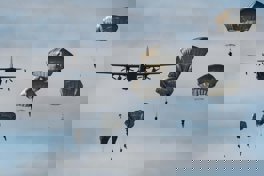
Parachute accidents can cause serious injuries, including fractures, spinal injuries, head injuries, shoulder injuries and long-term mobility problems. Claims may arise where an accident was caused by defective equipment, poor instruction, unsuitable weather conditions, inadequate supervision, unsafe landing zones, or failures in training procedures.
Where injuries prevent a return to airborne duties or lead to discharge, the claim may include the long-term financial consequences of losing that career path.
Some RAF personnel and other service members have raised concerns about cancer diagnoses linked to exposure to fuel, fumes and other substances associated with Sea King Helicopters and other aircrafts. These cases are often medically and evidentially complex.
Where a link can be established between service exposure and illness, a claim may include pain and suffering, treatment needs, loss of earnings, pension losses, care needs and the impact on family life.
Claims involving medical downgrading
Medical downgrading can have a major impact on a military career. It may mean someone is no longer considered fit for their usual role, cannot deploy, cannot complete certain training, cannot continue in a specialist trade, or cannot progress in the way they reasonably expected.
This matters because compensation is not only about the injury itself. It can also include the financial consequences of what the injury has taken away.
A claim may consider:
- Loss of military earnings, including reduced pay after a change in duties.
- Loss of specialist pay, allowances or role related benefits.
- Missed promotion opportunities where there is evidence that career progression was likely.
- Loss of rank or reduced prospects of reaching a higher rank.
- Loss of future earning capacity if the person can no longer follow their planned military or civilian career.
- Pension losses where early discharge or lost progression affects pension value.
- Rehabilitation, treatment and support needs.
- Care, equipment, travel and other expenses linked to the injury.
Claims involving medical discharge
A medical discharge can be life changing. Some personnel expect to serve for many years, progress through the ranks, build pension entitlement and then move into civilian employment with the benefit of military experience and qualifications.
When injury or illness cuts that short, the financial loss can be significant. A claim may need to compare what the person is likely to earn now with what they would probably have earned if the injury had not happened.
For example, someone may have expected to remain in service for another 10 years, progress to a higher rank, receive increased pay, build a stronger pension and then leave with better civilian opportunities. If they are discharged early because of an avoidable injury, the claim may include the difference between that likely career path and their actual position after discharge.
How loss of earnings can be calculated
Loss of earnings in military claims can be more detailed than in many other personal injury claims because Armed Forces careers often include structured pay scales, rank progression, specialist roles, allowances and pension benefits.
A solicitor may look at:
- Service records and career history.
- Rank, trade, qualifications and performance.
- Likely promotion prospects.
- Pay scales and historic earnings.
- Specialist pay, allowances and deployment related payments.
- Medical evidence on what the person can and cannot do.
- Employment evidence on future civilian work prospects.
- Pension records and actuarial evidence where needed.
The calculation may include past losses, which are losses already suffered, and future losses, which estimate the financial impact over the years ahead.
Examples of how military careers can be affected
Every military claim is different, although many people we speak to are not only worried about the injury itself, but what it means for their future in the Armed Forces.
For some, the impact may be temporary. For others, it can change the course of an entire military career.
Examples can include:
- A promising career cut short after a training injury
A soldier suffers a serious shoulder injury during a training exercise after proper safety procedures were not followed. Before the accident, they had been progressing well in their role and were hoping to move into a higher rank. Following the injury, they are medically downgraded and unable to complete the physical requirements needed for promotion. Eventually, they are moved into a reduced role with lower long-term earning potential and a very different career pathway than originally planned.
- Medical discharge after developing NFCI
After repeated exposure to cold and wet conditions during military exercises, a service member develops Non Freezing Cold Injury (NFCI). Over time, they experience chronic pain, numbness and severe sensitivity to cold temperatures, making it unsafe for them to continue operational duties or deploy overseas. Although they attempt to remain in service, their condition ultimately results in medical discharge years earlier than expected, affecting their military pension, future earnings and long-term career prospects.
At Simpson Millar, we understand that military claims are about far more than an injury or illness alone. Our team takes the time to understand how a person’s life, career and future plans have been affected, including the impact on their role within the Armed Forces, long-term financial security and family life. We are committed to ensuring the full impact of what has happened is properly recognised and reflected in the compensation and support our clients receive.
Civil claims and AFCS claims
In some situations, serving personnel or veterans may be able to pursue both a civil claim and an Armed Forces Compensation Scheme (AFCS) claim at the same time, although the two routes work in different ways.
An AFCS claim is a no fault scheme designed to compensate Armed Forces personnel for injuries, illnesses or death caused by service on or after 6 April 2005. This means you do not need to prove that anyone was negligent or legally at fault in order to apply. The scheme can provide compensation through a lump sum payment and, in more serious cases, a Guaranteed Income Payment (GIP), which is a tax free monthly payment intended to reflect the long-term impact of the injury on future earnings and quality of life.
A civil claim is different because it is based on negligence. This means it must be shown that a person or organisation, often the Ministry of Defence, breached their duty of care and that this caused injury, illness or avoidable harm. Civil claims can arise from situations such as unsafe training exercises, failures in safety procedures, inadequate protective equipment, military medical negligence or preventable exposure to harmful conditions.
One of the key differences is the type of financial losses that may be recoverable. Whilst AFCS provides compensation under a tariff based system, a civil claim may allow a person to recover the wider financial impact of what has happened to them. This can include loss of earnings, missed promotion opportunities, loss of rank, pension losses, specialist pay, future career losses, rehabilitation costs and the long-term effect an injury or illness has had on both military and civilian employment prospects.
For example, a service member who develops NFCI during military training may be entitled to apply through AFCS because the condition was caused by service. If there is also evidence that proper precautions were not followed, such as failures in welfare monitoring, protective measures or training procedures, they may also have grounds for a separate civil claim against the Ministry of Defence.
Although both routes can sometimes be pursued together, the legal and financial interaction between them can be complex. Compensation awarded through one route may affect certain aspects of the other, particularly where the same financial losses are being considered. Because of this, it is important to obtain specialist legal advice to ensure the correct approach is taken and that the full impact of the injury or illness is properly assessed.
Supporting the Armed Forces community through our partnership with Veterans Welfare Group
Simpson Millar is proud to work in partnership with the Veterans Welfare Group, an organisation dedicated to supporting service personnel, service leavers, veterans, and their families across the UK.
This collaboration brings together lived experience within the Armed Forces community and specialist legal expertise, helping ensure that individuals affected by service-related injuries or illnesses can access meaningful, practical support when they need it most.
At Veterans Welfare Group, they understand that medical downgrading and discharge can represent a significant adjustment, but you do not have to face it alone. They provide guidance, practical support, and access to a network of veterans who have experienced the same journey and are available to answer any questions you may have, helping to ease uncertainties about what the future holds. Through this partnership, Simpson Millar can help connect clients with additional welfare and practical support where needed, alongside the specialist legal advice and representation provided by our Military Claims team.
By working together, Simpson Millar and VWG are committed to strengthening the support available to the Armed Forces community and helping more people access the advice, assistance and representation they may need.
How Simpson Millar may be able to help
Our Military Claims team understands that the impact of a service related injury or illness can extend far beyond the initial incident itself. Many of the people we support are dealing not only with physical or psychological injuries, but also uncertainty about their military future, career progression, financial security, pension and long term wellbeing.
We provide clear, practical and tailored legal advice based on each individual’s circumstances. This includes carefully assessing the full impact an injury or illness has had on military service, future earning potential, pension entitlement and civilian employment opportunities. Where appropriate, we can advise on both civil claims and Armed Forces Compensation Scheme (AFCS) claims, helping clients understand the options available to them and the best route forward.
We also understand that compensation is often about far more than financial recovery alone. In many cases, it can help individuals access specialist rehabilitation, treatment, therapies, care, support services, adaptations and other assistance that may support both recovery and long-term quality of life following a serious injury or illness.
We offer:
- A free initial consultation with no obligation to proceed
- No Win, No Fee representation in eligible cases
- Nationwide support with flexible communication options
- Specialist expertise in Military Claims and Armed Forces related cases
- A supportive and client focused approach throughout the claims process
Whether you are still serving, have been medically downgraded, or have left the Armed Forces following an injury or illness, our team is here to help you understand your options and pursue the compensation and support you may be entitled to.
Call us on 0808 239 5461 or request a callback to find out how we may be able to help.