Historical Awareness
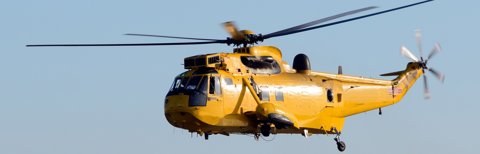
This isn’t the first time that helicopter fumes have been linked to cancer in RAF personnel. We’ve represented several people who worked on Sea King helicopters during their service, who have gone on to develop cancer.
A Freedom of Information Request by RAF Flight Sergeant, Zach Stubbings, revealed that the Ministry of Defence (MoD) had been aware of the potential risk of the fumes as far back as 1999, yet nothing was done to protect those working on the aircraft. Zach was provided with compensation after contracting a rare form of bone cancer as result of working with the helicopter, and he also developed multiple myeloma after inhaling the toxic fumes.
Documents dating as far back as 1999 have come to light, revealing that the Ministry of Defence (MoD) was aware of the potential dangers associated with inhaling toxic exhaust fumes from Sea King helicopters. A report recommended modifications to redirect exhaust fumes away from the cabin door. But the MoD failed to act on these recommendations despite subsequent reports with further safety suggestions, including the provision of necessary personal protective equipment (PPE). Equally concerning, servicemen were not adequately informed about the potential hazards and the risks of cancer development.
We’ve helped those affected by the Sea King helicopter fumes claim compensation from the MoD after they were diagnosed with cancer such as myeloma, throat cancer and testicular cancer.
“What’s most concerning is the fact that the risks with military helicopter fumes were raised decades ago and yet no one flying in these helicopters were made of aware of this,” said one of our military claims solicitors, who is representing some of the affected military personnel.
“It appears that there could be another generation of air crewmen and pilots who are tragically suffering from a life-ending condition due to flying in Whirlwind Mark 10 helicopters, which we believe also may have emitted toxic fumes similar to those from the Sea King helicopters.”
“I can only imagine how upset and angry those individuals must be feeling, knowing that something could have been done to protect them.”
It can take years or even decades for cancer to develop, and we understand you may be feeling concerned if you’ve worked on Whirlwind Mark 10 helicopters in the past. If you notice any symptoms, and you’ve got concerns that they might be cancer related, you should see your GP straight away.
Legal Action with Simpson Millar
If you’ve been diagnosed with cancer, and you worked on Whirlwind Mark 10 helicopters in the past or any other helicopters in the RAF, get in touch with our Military Solicitors for a confidential chat and a free claims assessment.
If you have served in the Royal Air Force (RAF) since 1987 and have been exposed to exhaust fumes from helicopters, either as a flight crew member or engineer, and subsequently received a cancer diagnosis, you may have grounds to pursue legal action against the Ministry of Defence (MoD).
Our Military Claims Solicitors are experts in helping former and serving members of the Armed Forces get the compensation and wider support they need, and you shouldn’t be treated at any disadvantage (if you are still at work) if you’re claiming compensation.
Your health and rights deserve protection, and our experienced legal team is here to help you navigate your options and seek the compensation you deserve. Call us on 0800 260 5010 and let us help you.